
Cycling equipment
Bosch Performance Line CX: why this motor transforms the Santa Cruz Vala into the ultimate enduro machine
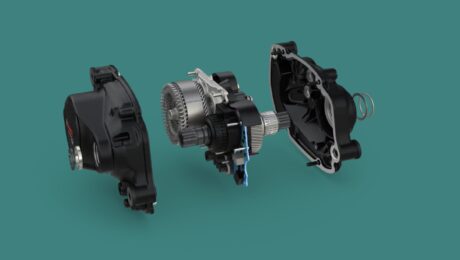
THE Santa Cruz Vala This marks a strategic turning point for Santa Cruz. For the first time, the Californian brand is abandoning Shimano on its "all mountain/enduro" e-bike to integrate the renowned motor Bosch Performance Line CX.
And that's no coincidence.
The Bosch CX is now considered one of the world's leading e-MTBs for serious riding: controlled power, natural handling, an extensive after-sales service network, and ultra-efficient intelligent modes for mountain biking. Combined with the Vala's state-of-the-art frame, this results in a bike designed to shred downhill... but also to climb technical lines that were impossible just a few years ago.
At the house of Evolution 2 Saint-Lary, This choice seems particularly coherent for a committed Pyrenees/mountain activity.
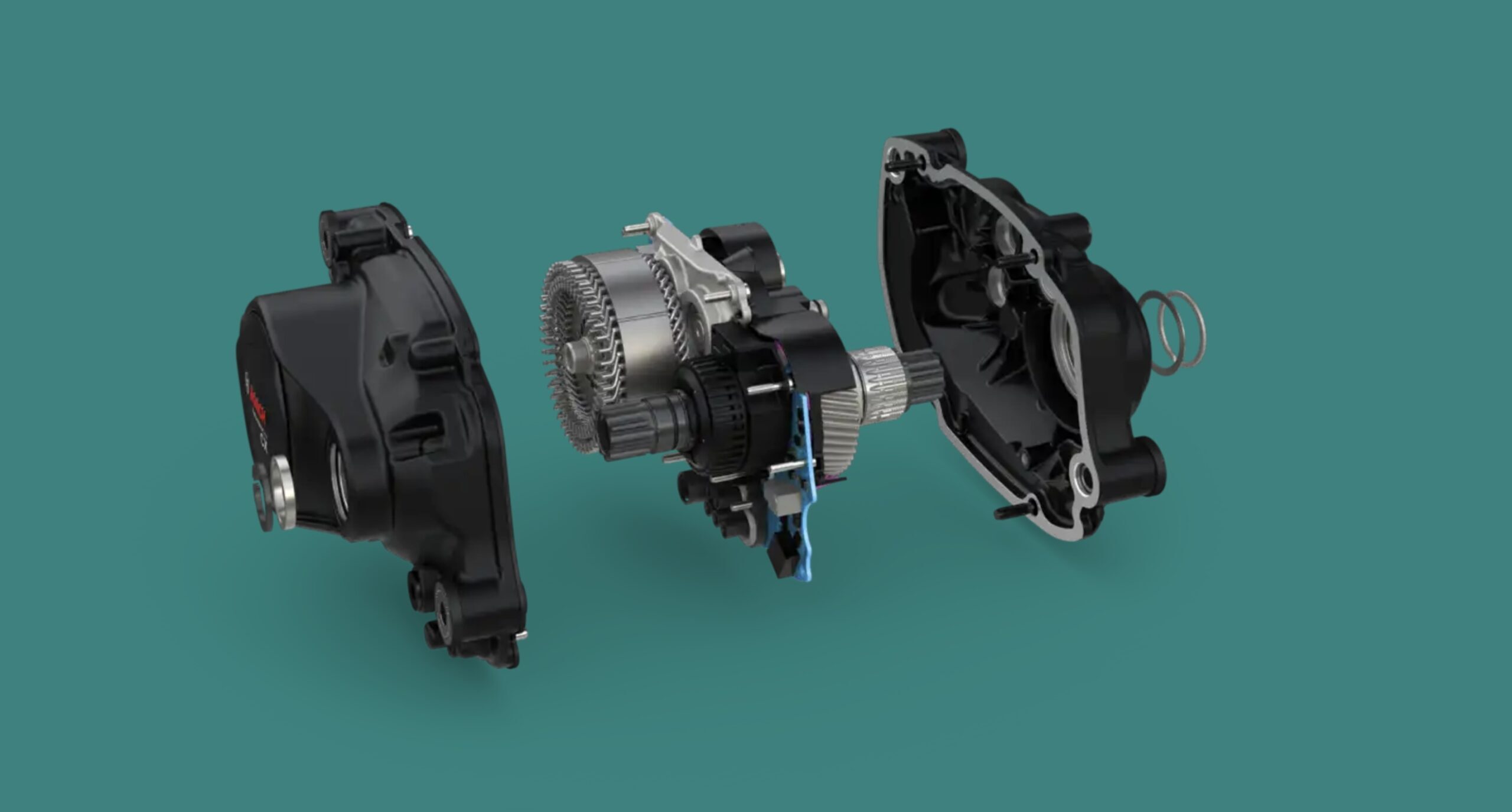
The Bosch Performance Line CX motor: what exactly is it?
The Bosch Performance Line CX is Bosch's top-of-the-range “eMTB” motor.
The Santa Cruz Vala features the latest generation of the Bosch Smart System with:
- up to 85 Nm of torque in standard configuration
- up to 600W power
- ultra-progressive assistance
- advanced electronic management
- Bosch Flow app
- Customizable modes
- ABS/Kiox compatibility / navigation / OTA updates
Bosch focused primarily on one essential point: the feeling on the ground.
Why Bosch on the Santa Cruz Vala?
The Vala is not simply “a Santa Cruz with a Bosch motor”.
The bike was literally developed around the Bosch CX.
Santa Cruz explains that it abandoned its historic VPP system in order to achieve better kinematics with the integration of the Bosch motor. The result: a new 4-bar/Horst Link chassis with more freedom in its suspension settings.
In practical terms, this means:
- greater sensitivity
- better grip on technical climbs
- More neutral behavior on descent
- more stable bike at high speed
- better compatibility with aggressive e-bike use
The Vala thus becomes a true “mini DH that pedals”.
The main strengths of the Bosch Performance Line CX on the Vala
1. Impressive traction on technical climbs
This is probably THE strong point of the Bosch CX.
The engine detects:
- your strength on the pedals
- the pace
- the inclination
- the acceleration of the bicycle
Everything is analyzed in real time to deliver extremely natural assistance.
On the steep, rugged climbs typical of the Pyrenees:
- roots
- shale
- steps
- pins tightly
…the Bosch CX remains very controllable.
The eMTB mode is particularly impressive: it automatically adjusts the power without needing to constantly change modes.
2. A powerful engine… but controllable
Some recent engines are designed to achieve maximum power.
Bosch has long favoured balance:
- autonomy
- reliability
- control
- motor skills
The result:
- less of an “on/off” effect”
- less skating
- More precise cycling in the technical aspects
Even though Bosch now allows performance to be increased via software up to:
- 100 Nm
- 750 W
- 400 % assistance
…the philosophy remains very much “mountain piloting”.
3. Excellent real-world battery life
The Santa Cruz Vala typically uses a Bosch 600 Wh battery.
On paper this seems inferior to some competitors in 750 Wh.
But in practice, Bosch's performance is excellent.
Several field tests show very high autonomy despite demanding use.
For a typical mountain outing:
- 1200 to 1800 m D+
- eMTB mode predominant
- technical terrain
…the autonomy remains very consistent.
And most importantly:
- the bike remains dynamic
- lighter
- more player
It's a genuine behavioral choice rather than a race for the "biggest battery number".
4. The Bosch Smart System truly changes the experience
The Bosch Flow App offers a great deal:
Useful functions:
- customization of modes
- GPS navigation
- autonomy monitoring
- statistics
- digital lock
- OTA updates
- Extended Boost setting
The system is now one of the most advanced on the eMTB market.
Bosch CX vs Shimano EP801: the real match
The Santa Cruz Heckler used Shimano.
The Vala is now being used by Bosch.
Why is this change important?
| Criteria | Bosch CX | Shimano EP801 |
|---|---|---|
| Couple | 85 Nm (100 Nm possible) | 85 Nm |
| Engine sensation | More natural | More sporty/direct |
| Network after-sales service | Excellent | More variable |
| Application | Very accomplished | Correct |
| Modes Management | Ultra intuitive | More technical |
| Technical upgrade | Reference | Very good |
| Noise | More audible | More discreet |
| Accessory compatibility | Very large | More limited |
In a logical sense:
- premium rental
- mountain practice
- heavy use
- need for reliable after-sales service
…Bosch is extremely reassuring today.
The Santa Cruz Vala: for which rider?
The Vala equipped with the Bosch CX is primarily aimed at riders who want to:
- a true enduro e-MTB
- a stable high-speed bicycle
- climbing technical trails
- replace the shuttles
- long mountain rides
- keep the bike playful despite the motor
This is not a “quiet” e-MTB.
It's a bike that makes you want to ride it:
- to attack
- to jump
- to take the angle
- to chain the runs
Several specialist media outlets describe it as one of the best full-power e-MTBs currently available.
Why this combination works particularly well in Saint-Lary
Around Saint-Lary and the Aure Valley, we find exactly the terrain where the Bosch CX excels:
- long technical climbs
- nature trails
- shale
- brittle terrain
- mountain hairpins
- permanent slope variations
Bosch's eMTB mode is formidable:
- enormous traction
- fine power management
- natural regenerations
The Vala then becomes a perfect machine for:
- major mountain outings
- the committed runs
- the electric bike park
- Aure Trails routes
- Pyrenees enduro sessions
Our review of the Bosch Performance Line CX
The Bosch CX is not just “a powerful motor”.
It's probably today:
- the most versatile engine on the market
- the most reassuring for mountain use
- one of the most reliable
- the most suitable for use as a station / guide / premium rental
On the Santa Cruz Vala, the system works particularly well:
- modern geometry
- very active suspension
- ultra-controlled engine
- fun behavior despite the weight
The result:
an e-MTB capable of climbing like a tractor… and descending like a real enduro bike.
Also worth discovering
- Santa Cruz Saint-Lary – our Santa Cruz universe
- Santa Cruz Vala XT Di2 RSV rental in Saint-Lary
- Santa Cruz Vala AL in Saint-Lary
- Bosch eBike Systems
- Where to go mountain biking in Saint-Lary?
Sources / specialized tests
- Published in Cycling equipment
Our refurbished bikes: the smart and responsible choice
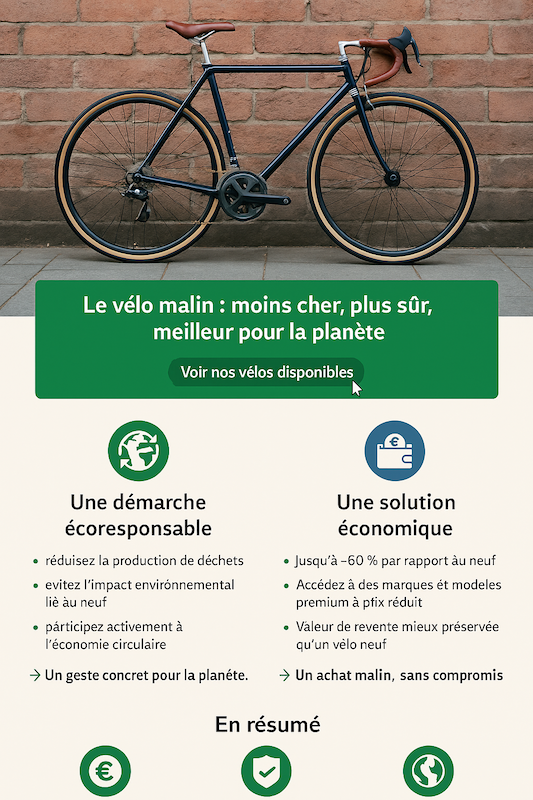
Buying a refurbished bike is much more than just a smart purchase: it's a sustainable approach, a economical solution, and a security guarantee. At our company, each bike goes through a rigorous inspection and refurbishment process to offer you a riding experience close to new, but at a much more accessible price.
🌍 An eco-responsible approach
Every refurbished bike is a bike that escapes the scrap heap and finds a new life.
By choosing refurbished, you:
- reduce waste production,
- Avoid the environmental impact associated with manufacturing a new bicycle.,
- actively participate in the circular economy.
👉 It's a concrete gesture for the planet, without compromising your enjoyment of cycling.
💶 A smart investment
Our refurbished bikes are available 30 to 60 % cheaper than equivalent new models.
This allows you to enjoy quality bikes, often from major brands, at a much more affordable price.
In addition, a refurbished bicycle loses less value it has a higher resale value than a new bike, which also makes it a smart long-term choice.
👉 You spend less, but you gain in peace of mind and performance.
🔧 Quality, safety and reliability
Unlike a used bicycle bought from a private individual, a refurbished bicycle is:
- completely disassembled and inspected by our qualified technicians,
- equipped with new parts replaced if necessary (brakes, tires, chain, transmission…),
- tested and adjusted to guarantee comfort and performance,
- delivered with a guarantee, proof of our commitment to quality.
👉 Result: you leave with a bike reliable, safe and ready to ride.
🤝 A responsible and local choice
By buying a refurbished bike, you are also supporting:
- of the local workshops and passionate technicians,
- an approach of’circular economy which values repair rather than disposability,
- more conscious and committed consumption.
Every bike has its story, and thanks to you, it can write a new one.
✅ In summary
A refurbished bicycle is:
- Cheaper than a new one
- Safer than a mere opportunity
- Better for the planet
👉 Make the smart and responsible choice: adopt a refurbished bike, and enjoy the road differently.
Specialist bicycle shop
The refurbished bikes from the "Evo2 Store" can be seen on the online sales site.
All these bikes can be delivered to your home.
You can also test these bikes around Saint-Lary in an exceptional natural setting.
- Published in Ski school, Cycling equipment
Choosing the right bicycle wheel axle.
There are different types of wheel axles on the market. Below you will find a guide explaining how to differentiate them.
Depending on the fork:
Rock Shox RockShox uses a 15mm axle on most of its forks, but downhill forks use a wider 20mm thru-axle. They use a standard length with a 1.5" pitch.
Fox Fox uses a 15mm axle on most of its forks, but the threads have a diameter of 14mm. They use a standard length with a 1.5 pitch.
Road Generally, road bikes with disc brakes use a 12 x 100 mm spacing. This doesn't necessarily mean you'll need a 100 mm thru-axle, as fork width varies between bikes. Furthermore, there's very little consistency between brands, so you should carefully check all dimensions. You'll likely need a 118 mm or longer thru-axle.
Depending on the context:
Mountain biking: Most cross-country, trail, and enduro bikes use 12x148mm spacing, also known as Boost spacing. Some bikes use the 12x157mm standard. Since frame width affects the driveshaft length and the widely adopted standard threading, you'll need to check the dimensions carefully. You'll likely need a 170mm or longer thru-axle.
Road bike Road bike frames typically use 12x142mm spacing, but this doesn't necessarily mean you'll need a 142mm axle, as the frame width affects axle length. You'll likely need a 160mm axle or longer.
Depending on the thread: The thread size is called the "pitch," and to determine the pitch, you count the number of threads in a 10 mm section. There are three main specifications for M12 shafts – fine, medium, and coarse.

Fine thread (M12x1.0): This fine thread is generally used with a conical (angled) washer under the head. Most through-bolts use flat washers. This standard is often called the Syntace standard.. 10 fillets correspond to 1.0p.
Medium thread (M12x1.5): This thread is the most common on frames and forks, but it is not universally used. Approximately 7 threads correspond to P1.5mm.
Coarse thread (M12x1.75): Some frame brands use a coarse thread to reduce the time required to unscrew a thru-axle. Slightly less than 6 fillets corresponds to P1.75
Double thread Some thru-axles, notably the Speed Release, use a fine, double-lead thread. This means there are twice as many threads, which speeds up the process of screwing the axle into the frame or fork. All Speed Release axles are used on frames and forks with an open dropout. Additionally, the axle is notched to prevent it from accidentally falling out.

- Published in Cycling equipment, BIKE, Road bike, Mountain biking
How to choose your cross-country mountain bike?

The defining characteristics of a cross-country mountain bike
A cross-country (XC) mountain bike is designed to perform well on fast, flowing loops. The climbs and descents come one after another. The rider focuses on achieving good efficiency and maintaining a fast pace throughout the ride. A cross-country racer finds as much joy in climbing as in descending.
The frames are built with steeper head tube angles (70-72 degrees) and reach (distance between the bottom bracket axle and the head tube axle) which benefit the rider's body position when climbing.
Cross-country (XC) frames can be hardtails or full-suspension designs. The travel of a cross-country mountain bike typically ranges from 80 to 120 millimeters.
These mountain bikes will be the lightest of the four categories, with an average weight between 8 and 11kgs.
The lighter the bike, the less energy it consumes on climbs and long distances.
Below are all the key points to consider when choosing your XC mountain bike, whether you are a beginner or not.
- Hardtail or full-suspension mountain bike?
- Aluminum or carbon fiber frame?
- The wheels
- The tires
- The fork
- The transmission
- The brakes
- Choosing the right XC mountain bike
Cross-country mountain biking (XC) is the name for a type of mountain biking. There are several variations. It all depends on the terrain you ride on, how often you ride, and the distance you cover.
The terrain is the first criterion that will determine the mountain bike you will need.
If you ride in the countryside or forest and mostly on flat terrain, you will need a cross-country mountain bike.
If you ride on hilly terrain, choose an all-mountain mountain bike.
If you want to descend winding mountain trails at full speed, you will need to choose an enduro mountain bike, and if your wish is to descend a mountain as fast as possible while making incredible jumps, a downhill mountain bike, also called DH or freeride, will be essential.
Depending on the terrain, two characteristics must be considered: the type of bike (hardtail or full-suspension mountain bike) and the suspension travel. The latter refers to the mountain bike's ability to absorb impacts of varying magnitudes. A mountain bike's suspension travel is always measured in millimeters.
Here is the "technical" distinction of mountain biking that can be made according to the practice:
- Cross-country mountain bike: Hardtail mountain bike with 100 or 120mm of travel; ;
- All-mountain mountain bike: Full-suspension mountain bike with 140mm of travel; ;
- Enduro mountain bike: Full suspension mountain bike with 160mm travel; ;
- DH mountain bike or freeride mountain bike: full suspension mountain bike with 180 or 200mm of suspension.
1. A hardtail or full-suspension cross-country mountain bike?

A hardtail cross-country mountain bike is equipped with front suspension only, while a full-suspension mountain bike has a suspension fork at the front and a shock absorber at the rear. It's about choosing the suspension best suited to your riding style and performance goals. The risk with a full-suspension mountain bike is that the suspension absorbs some of your pedaling energy.
If you're looking for a fast, responsive mountain bike to ride faster, compete in the World Championships, or win the French Mountain Bike Cup, you should choose a hardtail mountain bike. A cross-country hardtail will be lighter and more agile, especially on flat terrain, but also more efficient on climbs. It's the best mountain bike for achieving great performances and beating all your personal bests over short distances.
However, if you plan to participate in the Roc d'Azur, or more generally in events with longer mountain bike courses that demand sustained effort and high endurance, you'll need a full-suspension mountain bike. But be aware that you'll need to choose a cross-country full-suspension bike with limited travel, a lightweight design, and an effective anti-bob system. The budget will then be higher than for a hardtail mountain bike.
2. An XC mountain bike made of aluminum or carbon fiber?
This, of course, refers to the material that makes up the frame of your future mountain bike. Carbon fiber is lighter and stiffer than aluminum, but also more expensive. It's the frame's performance that matters. A carbon fiber frame is stiffer, more efficient when pedaling, and more comfortable. Carbon fiber absorbs vibrations, doesn't vibrate, and doesn't resonate. So yes, at first glance, an aluminum frame might seem more comfortable, at least at the beginning of a ride, but in reality, it's quite the opposite. Aluminum deforms more than carbon fiber, so it absorbs your pedaling energy. But there's something even worse… aluminum doesn't absorb vibrations. Aluminum vibrates and resonates! So on long rides, an aluminum mountain bike will be less comfortable and more tiring than a carbon fiber one.
But let's go further: the right frame is the one that offers the best possible performance while maintaining some vertical compliance to protect your back. There are many carbon and aluminum frames on the XC mountain bike market. You need to choose the frame with the right geometry and design.
Choose a semi-rigid carbon fiber frame with BOOST spacing that accepts 29-inch wheels. BOOST spacing is the current standard for wheel axle dimensions, resulting in increased stiffness: 15 x 100mm front axle and 12 x 148mm rear axle. The frame should be lightweight and stiff to provide optimal power transfer.
Be sure to choose a frame that fits you properly and then find the correct position. We strongly recommend a postural analysis to help you make the best adjustments.
3. What size wheels does your XC mountain bike have: 27.5″ or 29″?
In cross-country riding, 29-inch wheels have become the standard. Wheels with a 29-inch diameter offer better rollover, more momentum, and greater speed on rolling sections. 29-inch wheels are more enjoyable to ride and require less effort to accelerate. Once up to speed, a 29-inch mountain bike goes faster and further.
Opt for 29-inch diameter wheels, if possible made of carbon fiber (lighter and more responsive), in BOOST format for greater rigidity and equipped with a mounting bracket for brake discs (centerlock or 6 holes).
4. Your cross-country mountain bike tires
Next, you need to fit tubeless-ready tires. Tubeless tires are lighter, more durable, and above all, they offer better handling on the trail. Tire weight is important. The choice of rubber compound and tread pattern are also important. Your choice of XC mountain bike tires will also depend on the terrain and the weather.
5. The fork of your XC mountain bike
You need a lightweight, stiff fork with a handlebar lockout to prevent pedal bob on climbs. Your fork should also be BOOST compatible and accept disc brake calipers. Opt for an air fork with a hydraulic cartridge for more responsive suspension that can be adjusted according to the rider's weight. Coil spring forks are heavier and offer fewer adjustments. Your fork should have 100 or 120mm of travel.
6. The drivetrain of your cross-country mountain bike
Opt for a single chainring drivetrain, which is lighter and easier to handle. With a single chainring, there's less chain twist and shifting is smoother. Choose a chainring with a larger number of teeth for higher speeds, for example, 34 teeth. And select a cassette with a 10-50 ratio, for instance. The more teeth the largest cog has, the easier climbs will feel. It's best to choose a shifter from the same brand and in the same price range as your derailleur (and with the same number of speeds).
Don't forget to use clipless pedals. You'll be more efficient with better power transfer and the ability to pull up on the pedals. Professional cyclists push and pull on their mountain bike pedals.
7. Your XC Mountain Bike's Braking System
Hydraulic disc brakes are preferable. They offer better feel and responsiveness than mechanical disc brakes. And for your information, the larger the diameter of your discs, the more powerful your brakes will be.
8. Choosing the right cross-country mountain bike
We have tested many XC mountain bikes over the years: technologies and standards evolve regularly.
What matters most, even more than the weight of the mountain bike, is its handling on the trail, its pedaling efficiency, especially in XC. The two most important elements for a high-performing XC mountain bike are: the frame and the wheels.
Your mountain bike needs to be highly responsive and offer maximum efficiency. Choose a mountain bike frame with a tapered, stiff head tube, a rigid bottom bracket, and a stiff down tube to maximize power transfer to the lower part of the frame. Short chainstays are essential for improved handling and explosive acceleration. The wheels will also significantly impact your mountain bike's performance.
There are many mountain bike brands. The best-known are: BMC, Trek, Focus, Lapierre, Orbea, BH, Merida, Canyon, Specialized, Rockrider, etc. Our advice: don't skimp on the frame and wheels. The rest of the components are almost optional. Having a mountain bike with a Shimano SLX or XTR drivetrain won't really change how your bike handles, and certainly not your race time.
With all this information, what is the ideal cross-country/XC mountain bike?
A carbon hardtail mountain bike with 29-inch BOOST wheels and Tubeless Ready tires. An ultra-lightweight mountain bike with a pedaling-efficient frame for improved power transfer. A lightweight suspension fork with a center lockout. All this with hydraulic disc brakes and a lightweight 1x drivetrain.
Don't forget to choose the right XC mountain biking gear. Opt for lightweight and comfortable clothing. Also, remember to equip yourself with a helmet, mountain bike glasses, gloves, and shoes designed for XC mountain biking, ideally with stiff soles, or even carbon fiber for better power transfer.
HOW TO CHOOSE A CROSS-COUNTRY BIKE
SUITED TO HIS PRACTICE?
Cross-Country (or XC), a long-standing mountain biking discipline, encompasses very different realities depending on the level at which it is practiced. While increasingly technically demanding courses are common at the highest levels, XC can also be considered a leisurely ride at a brisk pace with no other goal than to exert oneself in a natural setting. Depending on this approach, the choice of bicycle will then vary considerably.
WHAT IS CROSS-COUNTRY / MARATHON?
Cross-country (or XC), which involves alternating climbs, descents, and rolling sections on natural trails or circuits of varying lengths, is the oldest discipline and still arguably the one with the largest following. It doesn't require any special infrastructure and can be practiced year-round in all regions.
Cross-country, the very essence of mountain biking, is accessible to all levels, whether for recreational riding in a touring spirit or for high-level competition. The ranges of bikes in this category are therefore very extensive in order to cover all situations, particularly in terms of the terrain of the region where you wish to ride, your riding style, and your budget.
WHAT FRAMEWORK FOR MY PRACTICE?
Before choosing a mountain bike frame, you must first determine your objective. While comfort and robustness are paramount for recreational riding, performance-oriented riders prioritize lightness and responsiveness—more so than in any other mountain biking discipline—to handle the demands of constant changes in pace. These factors, naturally influenced by your budget, will lead you to choose a steel or aluminum frame for recreational riding, and a carbon frame for performance.
Besides the choice of frame material, the other important decision to make is whether to choose a hardtail or full-suspension mountain bike. While suspension design has made enormous progress in recent years, virtually eliminating pedal bob and thus greatly reducing efficiency differences, some notable differences still remain. A hardtail model will be lighter, easier to maintain, and more affordable at the same price point. A full-suspension bike, on the other hand, will offer greater comfort, better traction, and improved shock absorption.
Finally, the last criterion to consider is wheel size: 26 inches for a more maneuverable and responsive bike, but which has practically disappeared from manufacturers' catalogs (now mainly reserved for juniors); 27.5 inches for a good compromise between responsiveness and ease of handling (ideal for people between 1.60 and 1.70 m tall); 29 inches for a faster-rolling bike with increased obstacle clearance (which can be considered for riders 1.70 m and taller). It should be noted that 27.5+ (27.5-inch wheels allowing for very wide tires) is a hybrid format offering more comfort and stability, but also versatility since many 27.5+ models can accommodate either 27.5+ or 29-inch wheels.
WITH WHAT EQUIPMENT?
Cross-country mountain bikes typically have relatively short suspension travel, generally ranging from 100 to 120 mm, and lockout options to ensure optimal performance on rolling terrain, climbs, and descents. This lockout can often be operated directly from the handlebars, saving every second.
In terms of drivetrain, the single chainring system (1x11 or 1x12 speed) is increasingly popular due to its lightness, simplicity, and efficiency. However, recreational cyclists will find a double or even triple chainring setup, paired with a 10 or 11-speed cassette, more suitable for greater versatility and more confidence on climbs.
The remaining components are generally quite similar across models, with disc brakes most often hydraulic, featuring 160 to 180 mm diameter rotors, and wheels increasingly compatible with tubeless/tubeless-ready tires, offering not only maximum puncture protection but also improved traction and greater comfort. Finally, high-end models may come equipped with a dropper seatpost, allowing riders to instantly find the ideal position, whether climbing or descending.
- Published in Cycling equipment, BIKE, Mountain biking
Giant Bike Technology
Giant is the world's leading manufacturer of performance bicycles.
Below you will find all the technologies used for muscle and electric bicycles.
GIANT MUSCLE BIKE TECHNOLOGY
ADVANCED COMPOSITE
Giant's high-performance carbon fiber material allows us to manufacture this frameset in our own composite factory. Thanks to advanced manufacturing techniques and materials, Advanced Composite frames offer maximum stiffness and comfort while remaining exceptionally lightweight.
ADVANCED COMPOSITE SL
Giant's high-performance carbon fibers are woven in our composite factory using our most advanced design and manufacturing methods, including: our unidirectional composite fiber technology that strengthens the material while reducing its weight; our nano-technology composite resin to improve impact resistance; and our fusion joining process for lighter and stronger frame junctions.
ADVANCED FORGED COMPOSITE
State-of-the-art high-pressure molding process enabling the production of complex-shaped carbon fiber components that are lighter, stiffer, and stronger than similar aluminum components.
ALUXX ALUMINUM
This extremely high-performance frame material is made of 6061 alloy for single butt tubes to obtain a lightweight and strong frame kit, suitable for different types of bikes and riding styles.
ALUXX SL ALUMINUM
This high-grade aluminum material, made from 6011 aluminum alloy, delivers a premium power-to-weight ratio. ALUXX SL frames feature a unique welding technology to provide the best possible riding experience.
ALUXX SLR ALUMINUM
This extremely lightweight aluminum is primarily composed of 6011 alloy and offers the best strength-to-weight ratio for Giant aluminum frames. The meticulous weaving of microscopic fibers, along with an advanced butt-jointing technique, results in tubes that are 20 % thinner and lighter than ALUXX SL tubes.
AEROSYSTEM SHAPING
The shapes of the tubes are defined from computational fluid dynamics (CFD) data and wind tunnel tests, which allow the shape of each tube to be optimized in order to obtain the best aerodynamic performance.
COMAX COMPOSITE
This exclusive blend of pure carbon fibers and fiber-reinforced polymers allows Giant engineers to design comfortable and high-performance frame kits, which provide a ride quality specifically adapted to Sport and Fitness use.
COMPACT ROAD DESIGN
When introduced by Giant in the 1990s with the Team Once, the Compact Road design revolutionized the feel and appearance of high-performance road bikes. A sloping top tube (from the head tube to the seat tube) creates smaller front and rear triangles, resulting in a lighter and stiffer bike. This design also makes it easier for riders of all sizes to find the perfect fit.
COMPLIANCE TUNED
A composite material weave and specific tube shapes, including ultra-thin flattened seat stays, a low junction between the seat stays and the seat tube, as well as thin and slightly curved fork legs, come together for a smooth and balanced ride, with reduced rider fatigue.
D-FUSE
The D-Fuse seatpost and handlebar were designed as a set, absorbing road imperfections and shocks to allow you to ride further and faster.
FLEXPOINT SUSPENSION

A proven single-pivot design that utilizes the flex of the junction between the rear stays and the seat stays to create a lightweight and robust suspension system, with 120 mm (4.7 inches) of rear travel.
FLEXPOINT PRO SUSPENSION

The FlexPoint Pro suspension was designed to meet the demands of competition without compromising on either weight or rear suspension performance. To achieve this, our development teams designed a kinematic system based on an Advanced Forged Composite link and a flexible connection between the chainstays and seatstays. By reducing the number of pivot points, the new FlexPoint Pro suspension is simpler and lighter while delivering exceptional performance.
FLIP CHIP – MAESTRO

Our Flip Chip technology allows you to easily and quickly adjust your bike's geometry to suit your riding style, intended use, and terrain. The Flip Chip is an eccentric system located on the upper linkage. It has a high and low position, varying the bottom bracket height and the seat tube and head tube angles.
FLIP CHIP – MAESTRO 3

This technology allows riders to quickly adjust the geometry and choose the rear wheel size (29 or 27.5 inches) according to their riding style and the terrain. It is available on bikes equipped with Maestro suspension. The adjustment modifies the seat tube and head tube angles and the bottom bracket height. The rear wheel size depends on the position of the flip chip located on the upper link.
FLIP-CHIP DROPOUT

The rear dropouts of the new Revolt feature a reversible Flip-Chip type shim system. Held by a 5mm Allen screw, the two eccentric shims can be flipped to vary the chainstay length in two positions and the bike's geometry according to its intended use.
INTEGRATED SEATPOST
Considered a key performance factor, the integrated seatpost makes it possible to lighten the bike by 45 grams compared to a standard composite seatpost, while improving aerodynamics and providing flexibility capable of damping vibrations on the road.
INTEGRATED SEAT POST CLAMPING SYSTEM
A lightweight and fully integrated seatpost clamping system provides effective clamping force, combining performance and aesthetics.
MAESTRO SUSPENSION

Four strategically positioned pivot points and two connecting rods work together to create a floating pivot point, for an active, efficient and independent suspension system.
Here is the Maestro suspension system in video. (manufacturer).
MEGADRIVE
The oversized downtube and top tube work in unison to provide maximum precision. The downtube is designed to offer unprecedented stiffness in the steering and pedaling areas.
OVERDRIVE 2
The most advanced headset technology ever on Giant bikes. Designed to allow for unparalleled steering precision, the oversized headset bearings (lower 1 1/2″, upper 1 1/4″) and the tapered fork steerer work together to provide optimal steering stiffness.
OVERDRIVE
Designed to improve the precision of the front end steering, this fork pivot technology uses oversized bearings in the headset (for road, lower 1 1/4″, upper 1 1/8″, and for off-road, lower 1 1/2″, upper 1 1/8″) as well as a tapered fork pivot, which work together to provide optimal steering stiffness.
OVERDRIVE AERO
Located within the head tube of the all-level Propel, the D-shaped fork steerer and dedicated spacers form an extremely aerodynamic system, facilitating access to cables and housing.
POWERCORE
The oversized section at the extreme end of the bottom bracket and chainstays features a perfectly integrated 86mm wide bottom bracket (92mm for mountain bikes). The asymmetrical chainstays provide added stiffness and improved stability.
RIDESENSE
Wireless data transmitter integrated into the rear stays of Giant and Liv bikes. This removable transmitter sends cadence and wheel speed information directly to your ANT+ compatible computer.
Ridesense Compatible
The frame allows for the installation of the RideSense sensor as well as all related equipment.
VARIANT SEATPOST
This exclusive seatpost design optimizes the balance between lightness and superior handling quality, thanks to a simple adjustment to improve the overall racing performance of the TCR road range.
VECTOR SEATPOST
This extremely aerodynamic, lightweight seatpost, made entirely of composite material, is specifically designed for road performance.
INTEGRATED VECTOR SEATPOST
This lightweight and aerodynamic all-composite seatpost is specially designed for road performance.
GIANT MUSCLE BIKE TECHNOLOGY
ENERGYPAK
The EnergyPak battery range integrates perfectly with your Giant bike. Available in Smart or classic versions, they offer different energy capacities to enhance your experience riding a Giant e-bike.
HYBRID CYCLING
Hybrid Cycling technology combines the power of electricity and pedaling power to create an e-bike experience that is as efficient, powerful, and natural as possible. It's a natural extension of the rider's power and sets Giant e-bikes apart from the competition. This system incorporates four key innovative technologies that work in conjunction with your body's power; it's a natural extension of your abilities.
RIDECONTROL CHARGE

The RideControl Charge combines everything on a single screen. It displays the battery level, assistance mode, speed, and distance of your ride. Its sleek design and large screen offer maximum readability. It can be easily charged via its USB port. The Walk Assist mode allows you to walk alongside the bike effortlessly.
RIDECONTROL DASH

This new console combines integrated handlebar controls with a color display. This provides easily accessible control buttons and displays essential ride information. The RideControl Dash can be connected to the Giant RideControl App and a compatible ANT+ heart rate monitor or display.
RIDECONTROL ERGO

The RideControl ERGO unit integrates seamlessly into the handlebars of your Giant e-bike. Intuitive and easily accessible, it features buttons that can be operated in all conditions with a simple press of the thumb. A bright LED system indicates the battery level and the selected assistance mode. The RideControl ERGO unit can be connected to a compatible ANT+, Bluetooth, or wired display.
RIDECONTROL ERGO 2

The new RideControl ERGO 2 handlebar control features large, easily accessible buttons. It provides access to essential functions on your Giant e-bike, and its bright LEDs indicate the battery charge level and the selected assist mode. The RideControl ERGO 2 can be connected to a compatible ANT+, Bluetooth, or wired display.
RIDECONTROL ERGO 3

This new handlebar control integrates seamlessly with the grips. Reversible, it can be installed on either the left or right side of the handlebar, depending on the user's preference. Its three buttons are easily accessible with the thumb, allowing users to change assistance modes and activate the walk assist function. The RideControl Ergo 3 is ANT+ and Bluetooth compatible and can connect to the Giant RideControl App or a compatible display.
RIDECONTROL EVO

The RideControl EVO boasts a cutting-edge design and aesthetics. Its clean, rounded edges give it an elegant look. The aluminum casing protects it from impacts, even on rough terrain, making it more durable. The RideControl EVO can be connected via Bluetooth by our dealers and recharged via USB. The Bluetooth connection ensures that your RideControl receives updates, so you always have the latest software version.
RIDECONTROL GO

Integrated and intuitive. The new RideControl GO is seamlessly integrated into the top tube of the new Reign E+. Protected in case of a fall, it's also splash and rain resistant. It provides easy access to essential ride information (battery level and assist mode). Its color LED display shows the assist modes and battery charge level, while the central button turns the bike on/off and changes assist modes.
RIDECONTROL ONE

The RideControl ONE system enhances your e-bike experience with its integrated control buttons, offering a clean, screen-free handlebar design. E-bikes equipped with the RideControl ONE system can be connected to the Liv and Giant e-bike apps.
RIDESASH EVO

The new RideDash EVO console now features a color screen offering improved readability of the displayed information. Seamlessly integrated into the center of the handlebars, it displays essential ride information such as speed, distance, battery level, and heart rate (with a compatible heart rate monitor). Connected to the Giant RideControl App, the RideDash console can also display additional information like call/email notifications or a navigation mode.
RIDESASH PLUS

For our e-bikes equipped with the RideControl One ANT+ controller or Smart Gateway technology, the RideDash Plus unit can be used as an additional display. It shows important information, including range, battery level, and the selected assist mode, as well as standard cycling data such as speed, distance, and trip information. The RideDash Plus offers a larger screen and a more modern design compared to the RideDash.
SMART ASSIST
Giant SyncDrive motors feature Smart Assist technology, which adapts the electric assistance to the rider's needs. Sensors collect data from the terrain and the rider. In Smart Assist mode, the interface analyzes this data and transmits it to the motor, which then instantly delivers the necessary assistance for a natural pedaling feel while maximizing battery life. If the situation demands it, the motor can deliver its maximum power in Smart Assist mode.
SYNCDRIVE PRO
The SyncDrive Pro motor, manufactured by Yamaha to Giant's specifications, is designed for high-performance riding. Giant has fine-tuned this motor to make it more powerful and enable a performance-oriented riding style. The lightweight and compact SyncDrive Pro motor is primarily found on Giant's high-performance electric bikes.
SYNCDRIVE PRO SYSTEM

The SyncDrive Pro system, powered by the new Shimano EP8 motor, is a custom 85 Nm drivetrain that delivers smooth acceleration on paved roads, gravel roads, or trails. You can change assist modes using the Shimano Di2 shifters, allowing for a clean cockpit setup without an additional control unit.
SYNCDRIVE SPORT
Combining the innovation and expertise of our manufacturing processes with a motor created by Yamaha allows cyclists to achieve a tenfold increase in capabilities. The SyncDrive Sport motor offers three assistance modes and is installed on e-bikes used for daily commutes as well as more demanding off-road rides. This compact, mid-range motor delivers a powerful maximum torque of 70 Nm and is widely acclaimed for its performance and reliability.
SYNCDRIVE LIFE
The SyncDrive Life motor is the ideal solution for e-bikes with step-through frames. This compact, mid-drive motor ensures perfect weight distribution, making your e-bike more stable and balanced. Its centralized mass allows for natural weight distribution both when riding and at a standstill, making it an excellent choice for recreational riders. With its smooth torque of up to 60 N·m (newton meters), you can climb hills and cover longer distances with ease.
SYNCDRIVE CORE
The SyncDrive Core is a compact and lightweight motor, making it ideal for e-bikes designed for commuting or leisure riding. It features Smart Assist technology, which includes six sensors, including a gradient sensor and an accelerometer. These sensors allow the motor to deliver the appropriate power based on the rider and terrain, so there's no need to select a specific assist mode. You can simply ride as you would a regular bicycle, but with added power. SyncDrive technology provides an exceptionally smooth and natural riding experience. The motor is powerful and quiet, delivering assistance that adds up to 300% of power relative to your effort.
SYNCDRIVE MOVE
Lightweight and quiet, this motor offers up to 30Nm of assistance, supporting you at speeds up to 20 km/h. With four assistance modes (Eco, Active, Power, and Auto), young mountain bikers can tackle even the toughest climbs. Six connected sensors precisely analyze a wealth of data so the motor can provide the optimal level of assistance for the most natural riding experience possible.
SYNCDRIVE MOVE REVERSE

This rear hub motor provides 30Nm of pedal assist thanks to its lightweight and quiet design. It offers three assistance modes (Power, Active, Eco) to help mountain bikers climb with less effort. It also features Smart Assist technology with five sensors, which determines the precise amount of assistance needed for a smooth and natural pedaling experience.
- Published in Cycling equipment, BIKE, Road bike, Mountain biking
What is my bicycle frame size?
Bike sizes for Liv and Giant brands. Test your bike before you buy.
Bike test The ideal solution!
The specialist bike shop “Evo2 store” in Saint Lary Soulan in the Pyrenees allows you to test your future bike before buying it.
You can try out the different types of mountain bikes (Cross country, Trail, Gravity) and road bikes (aluminium, carbon) from the brands “Giant” and «Liv» in real conditions.
Measure your height
Simply stand on a flat surface, against a wall, with your legs together and your shoulders back. Make sure you take off your shoes.
Place a pencil on top of your head and, holding it parallel to the floor, make a small mark on the wall. This is how to measure your height.
Do the sizes vary for different types of bicycles?
Road bike and mountain bike sizes are slightly different, and the units used in bike sizes vary by type and brand.
Road bike sizes are usually given in centimeters, while mountain bike frame sizes are given in inches.
Many bicycle manufacturers will cite bicycle sizes S, M, L or small, medium or large, etc. on some or all of their models.
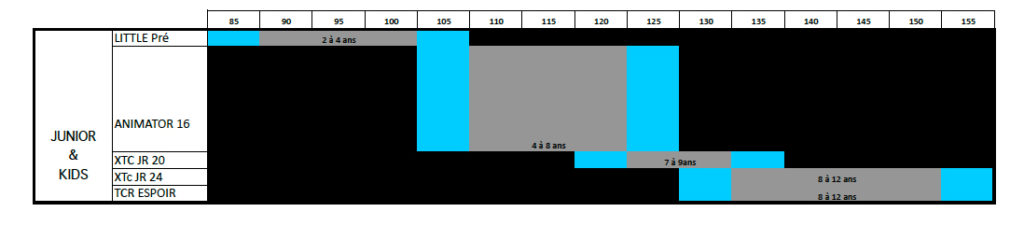
Children's bicycle sizes are generally based on wheel size. Please read the children's bike size guide.
If you're unsure which bike size is right for you, our team of cycling specialists is here to help. Call us on 05 62 39 44 61 or email evolution2.saintlary@gmail.com and we'll be happy to assist you.
What frame size do I need if I'm between two sizes?
Sometimes, the bicycle size chart recommends two different bicycle frame size options. Which size should we choose?
Most bicycles are not limited by frame height because the saddle is easy to adjust.
The key measurement is the top tube length. This dimension is related to your torso length as well as your arm length. Torso length is the measurement from your hips to your shoulders.
If your trunk length is longer than average, the larger of the two sizes recommended in the size chart will be ideal.
If, on the other hand, you have a shorter than average trunk height, then the smaller of the two recommended sizes will probably be best for you.
Once you have your bike, you can make some adjustments to fine-tune the fit: Adjusting the saddle's forward position, the stem's dimensions, for example.
Can I use the typical bike size chart for women's specific bikes?
Yes, women's specific bikes generally have different bike frame sizes than unisex bikes, but they are in the same size chart.
Women tend to have shorter upper bodies than men, so women's specific frames have a different shape.
The top tubes are slightly shorter than unisex bikes, which reduces the reach, so female riders won't feel so stretched out.
Women who are between sizes on a unisex bike can choose the smaller of the two recommended sizes.



- Published in Cycling equipment, BIKE, Road bike, Mountain biking